
Gabriel Ndege takes charge of Siriwo Rice Mill
This article was originally published in the Tribune print issue 2 in January 2026. It was republished online in September 2026.
By the Tribune
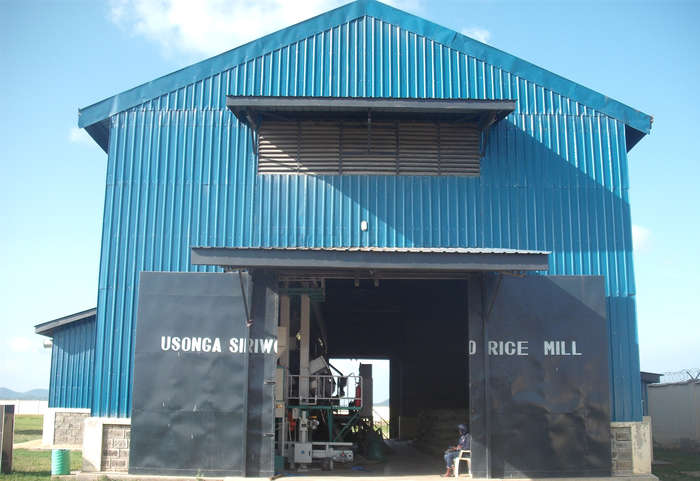
The Siaya county government has handed over the operations of the Siriwo Rice Mill in Usonga to Gabriel Ndege, the director of Nile Logistics. Gov. James Orengo’s office announced last month that Nile Logistics would upgrade and run the mill for 10 years.
But the county would continue to monitor and review Nile Logistics’ work for at least the first three years to see if it meets certain targets, the office said.
The Siriwo rice processing plant is located in Sumba sub-location, about two kilometres from the Sidundo market centre.
Before it picked Nile Logistics to operate the mill, the county had done limited production runs at the plant, processing rice to distribute to the county’s ECDE feeding programme.
The deal requires Nile Logistics to pay an annual fee to the county during its stay. Mr. Ndege could not reveal how much he was paying the county. The director explained that he was in a tripartite contract, and that it was not proper for him to disclose some details without the consent of the other parties.
The three parties to this deal are Nile Logistics, Siaya county and Usonga Rice Producers Cooperative Society.
When the Tribune visited the facility on December 23, there were at least four workers in blue overalls on the factory floor and two female office staffers. There was also a pickup truck being loaded at the entrance of the factory. The machines were not running.
The mill can process 2.5 tonnes of rice in an hour and operate day and night. That translates to 20 tonnes in an 8-hour-shift day or 60 tonnes in 24 hours of nonstop milling.
The county constructed and equipped the mill at a cost of Ksh71 million. But instead of running the plant directly, the county decided to tap a private company to operate it. That is how Mr. Ndege’s Nile Logistics came into the picture.
Usonga may not have enough paddy
Usonga rice growers have been organised into a cooperative as part of an effort to ensure a steady and adequate supply of paddy for the mill. The county constructed a paddy drying and storage facility for the farmers near the mill.
This facility is located diagonally opposite the milling plant across the road, and it consists of mabati storage rooms on both ends and an expansive drying floor with concrete surface in the middle.
The mill and the farmers’ cooperative are intended to have a mutual relationship. The farmers supply the paddy and get a ready market and a good price for their produce. On the other hand, the mill gets a steady supply of paddy conveniently.
But Mr. Ndege said he was worried Usonga farmers may not have enough paddy to meet the mill’s demand immediately. For that reason, Nile Logistics may have to source paddy from other areas, including Ahero. Mr. Ndege said he was not restricted from getting paddy from outside Usonga if needed.
While sourcing paddy from other areas would increase the mill’s operating costs, the director said that was better than having to idle the factory for lack of raw materials.
The county appears to be aware of potential paddy shortages for the mill and is looking to address it. The county administration plans to get Usonga rice farmers to plant two seasons a year instead of one as is the case now.
There are also plans to expand the rice field to 11,200 acres and boost yields from 2,500 kilograms per acre to 4,000 kilograms per acre.
Siaya is counting on the Lower Nzoia irrigation canal to turn Usonga into the county’s rice bowl. The canal would supply water to the rice farms throughout the year.
Boosting farm yields and having two harvests a year are expected to not only meet the mill’s needs but also earn the farmers more money.
Give us time to settle down
As part of the deal, Mr. Ndege is required to upgrade the mill’s machinery, give 60% of the jobs to the local community and offer fair prices to local farmers supplying paddy to the mill.
When asked about the jobs, including how many people he intended to hire, Mr. Ndege said he was still setting up the system, so it was too early to tell exactly how many workers would be needed.
The director said the priority now was getting paddy. “Getting staff and marketing are other things we need to do,” said Mr. Ndege. Nile Logistics plans to set up containers in strategic places to sell its products and by-products, he said.
The director also said the county had additional work to do, including constructing staff houses and a storage facility for the processed rice and by-products. Supplying water to the plant is also the county’s responsibility, and for this, it has drilled a borehole, Mr. Ndege said.
While talks have begun swirling about skewed hiring, Mr. Ndege appealed to the community to give him time to settle down. The Nile Logistics director noted that a month had hardly passed since he took over the plant, and that there was much work to be done to set up the system and start running.
Usonga residents hope the mill will bring jobs and spur economic growth in the area. John Ochieng, a pastor in Sumba, said he hoped the mill would benefit the community through employment, trade and better roads.